Outpatient ClinicTel. +380 44 298-01-40 multichannel How to find: Institute of Neurosurgery, Building 9 (see Map and Institute scheme). 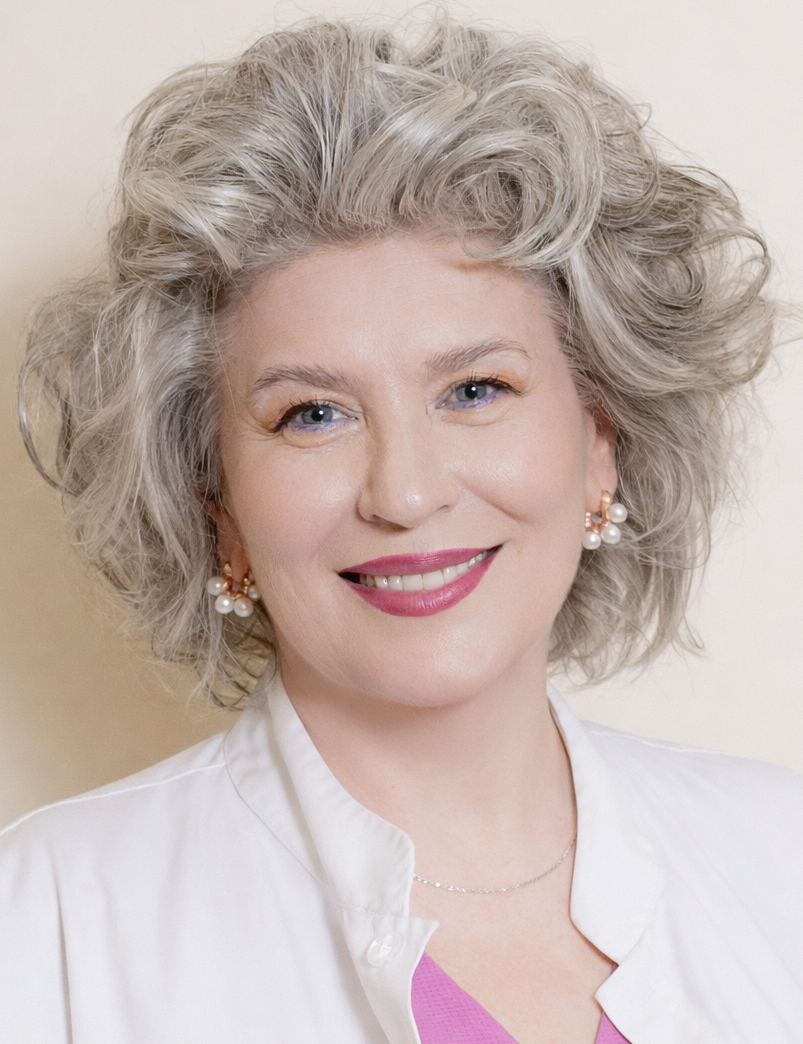
Yevgenia A. Radzievska
Acting of Head of the Clinic, MD, Anesthesiology, Pediatric Anesthesiology Highest Category, 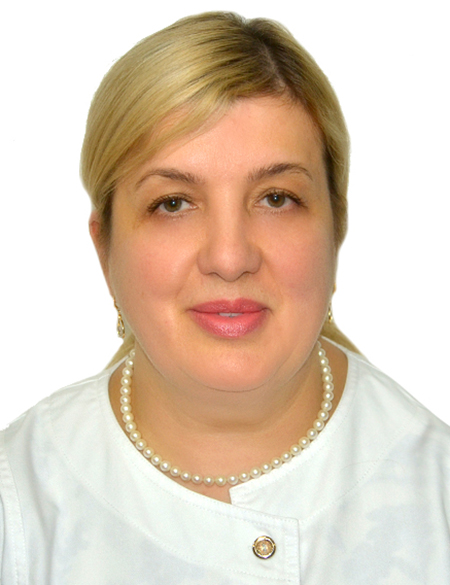
Lyudmila O. Dunaevska
MD, PhD, Neurosurgery 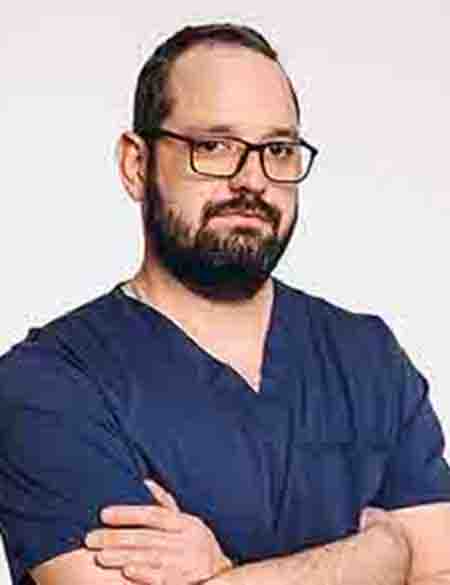
Yurii V. Derkach
MD, PhD, Neurosurgery 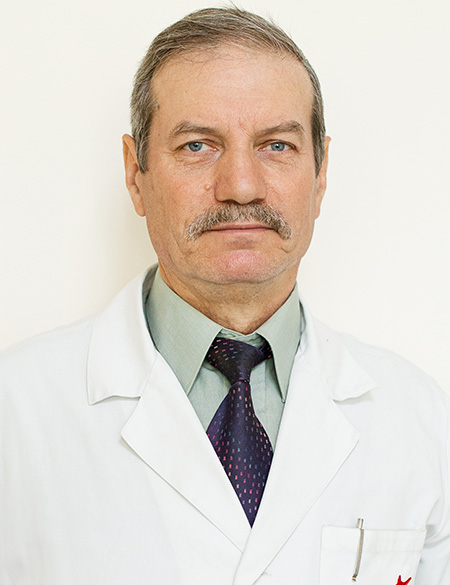
Hryhoriy K. Dudar
MD, Psychiatry 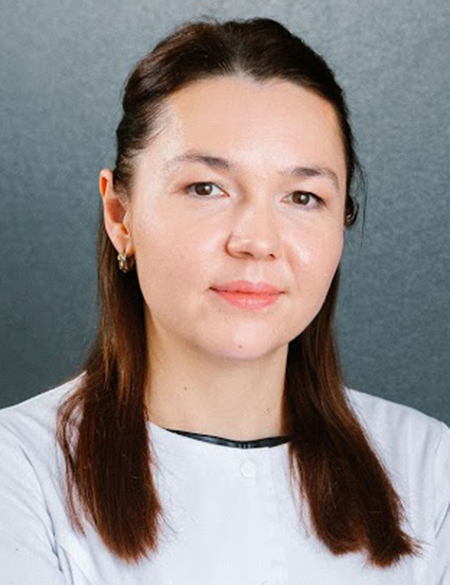
Kateryna S. Yehorova
MD, PhD, Neuroophthalmology 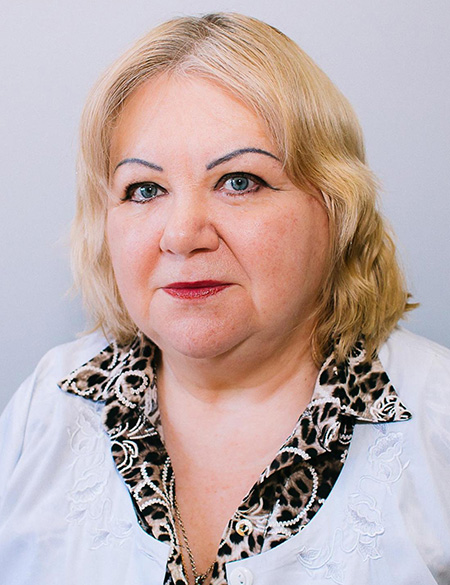
Tetiana I. Makeeva
MD, PhD, Neurosurgery 
Iryna Y. Popova
MD, PhD, Neurology 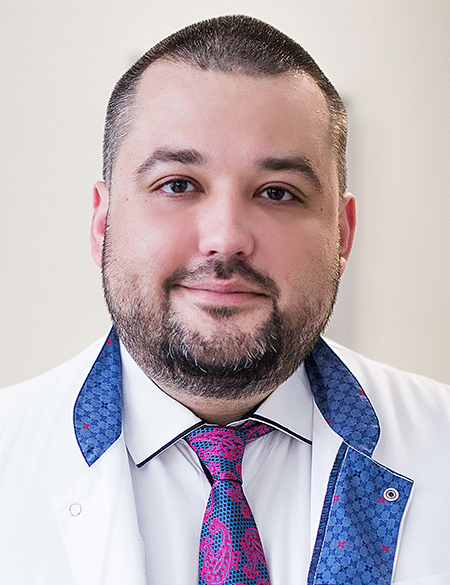
Dmytro S. Teslenko
MD, PhD, Neurosurgery 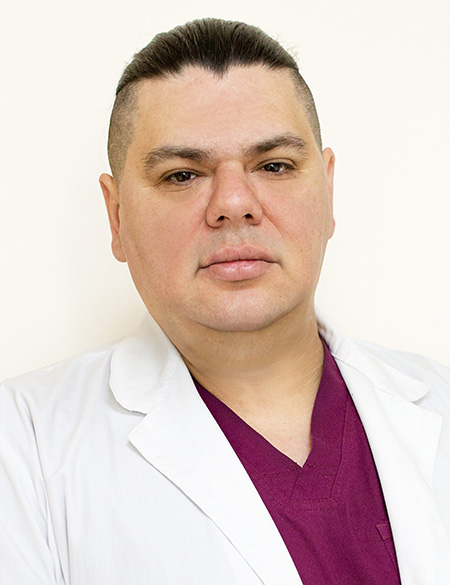
Zinovii M. Nykyforak
MD, PhD, Neurosurgery 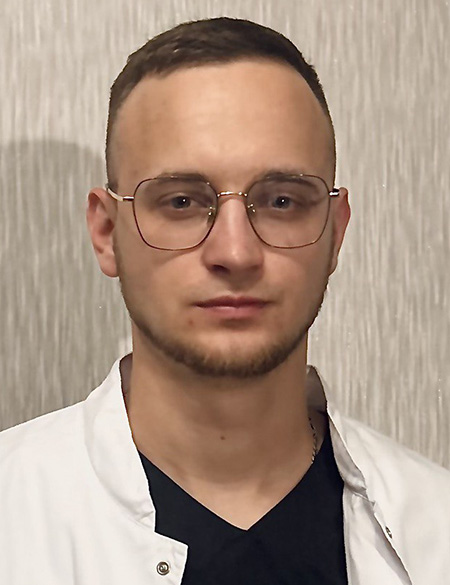
Serhii O. Vedmedenko
MD, Neurosurgery 
Maria S. Kyslitska
MD, Neuroophthalmology 
Roman V. Chamata
MD, Neurosurgery 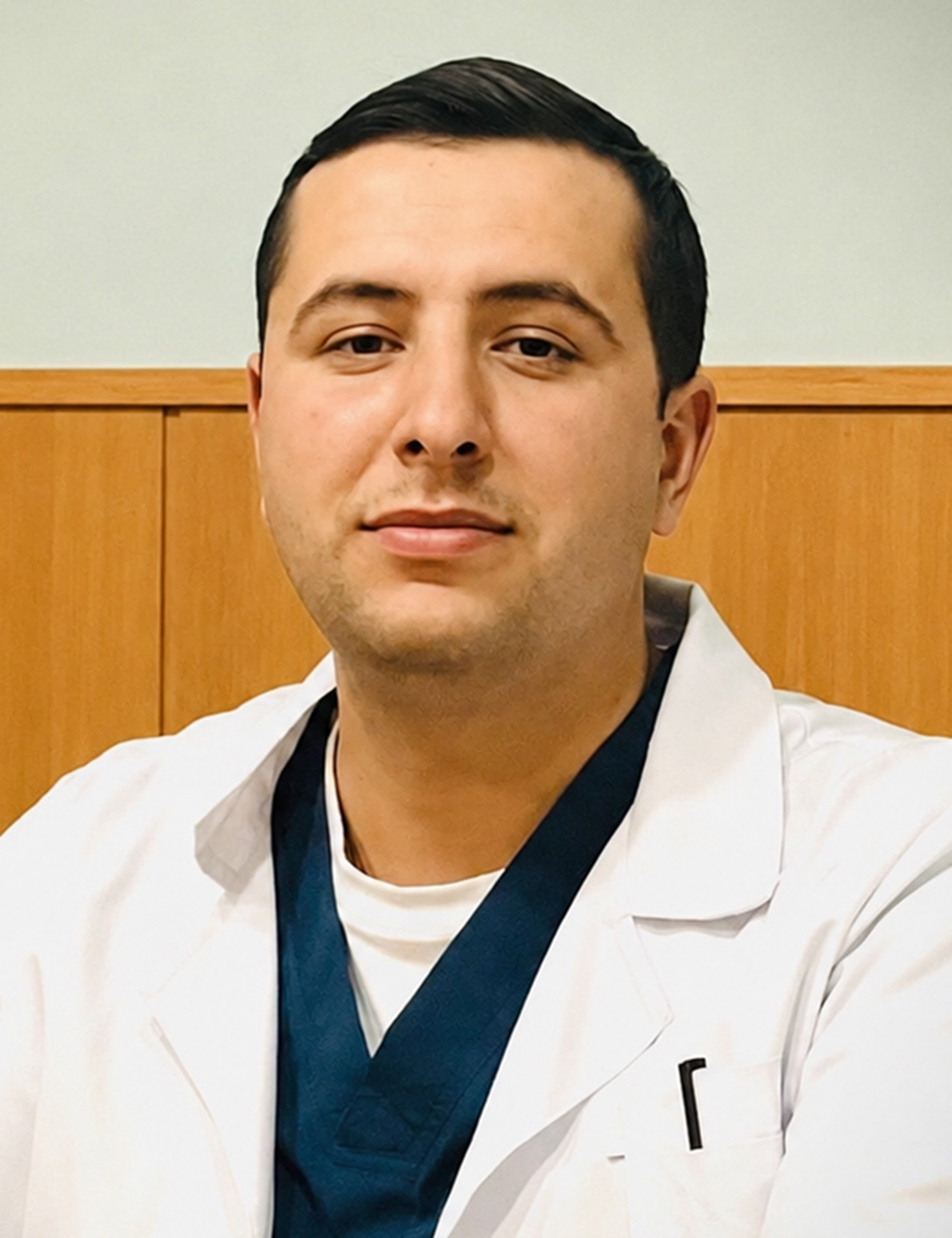
Yevhen V. Fedoruk
MD, Neurosurgery 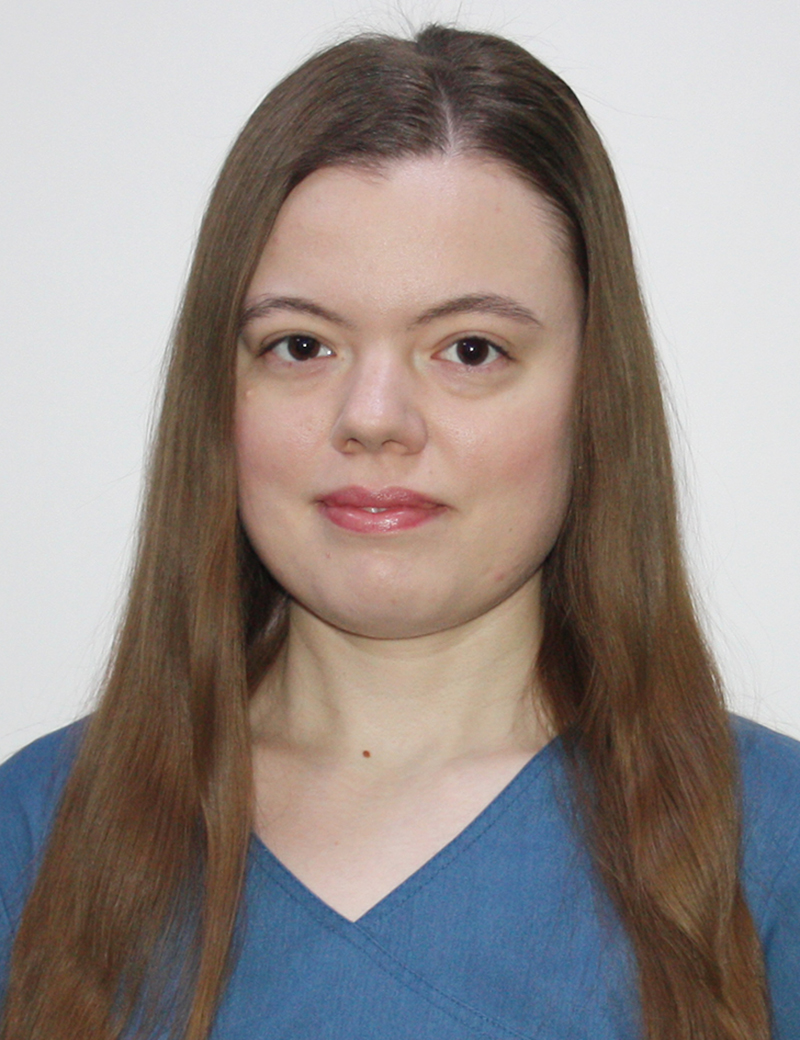
Oksana H. Ignatyuk
MD, Neurology 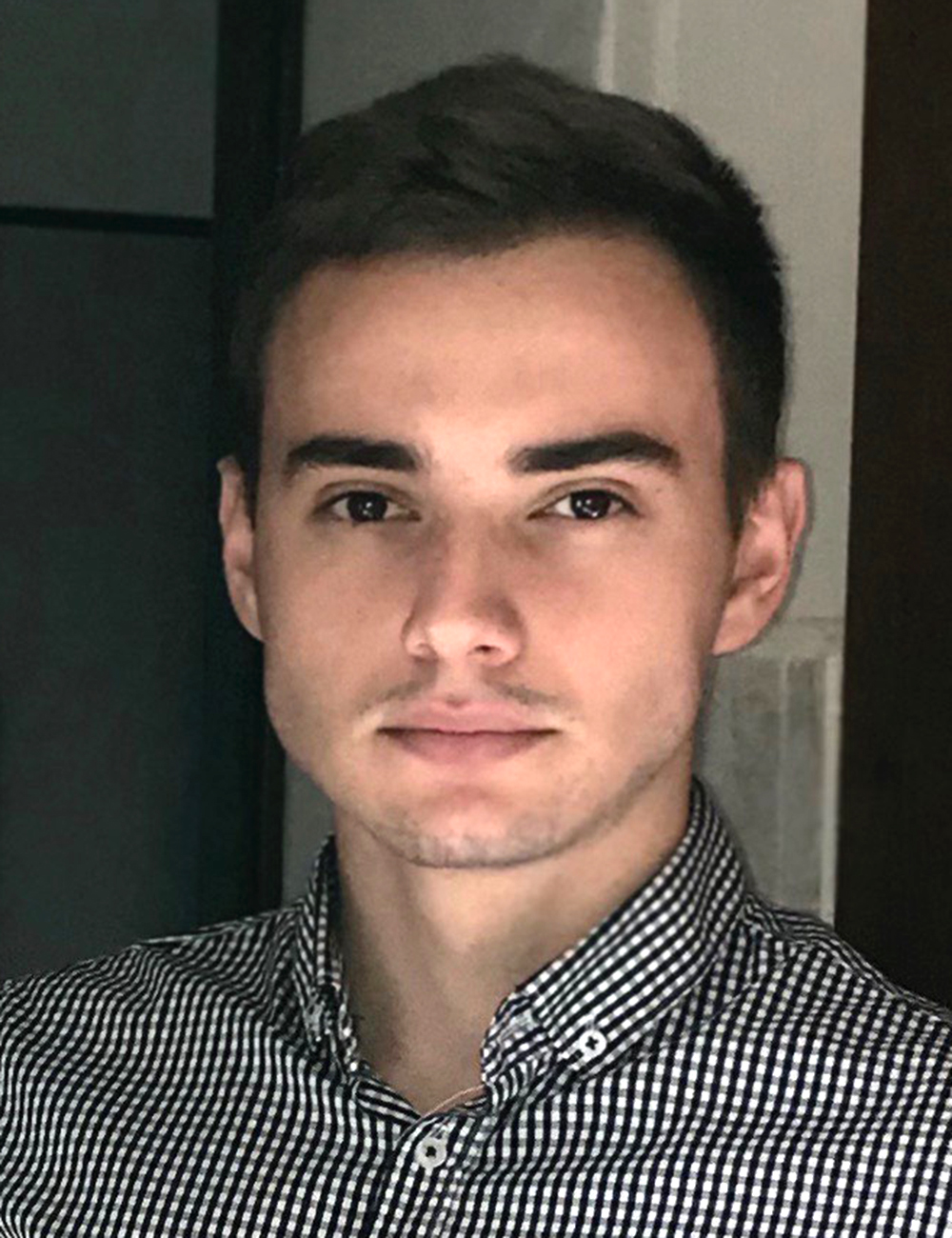
Ivan V. Lymar
MD, Neurosurgery Acting Head of the Department – Yevgenia A. Radzievska (since 2026).
The Outpatient Clinic was opened in 1950. Its former heads include: Т.Т.Lukianov (1950-1967), P.О. Suherey (1967-1970), V.А.Melnychenko (1970-1973), H.V.Zhyrnova (1973-1984), Y. M. Glushchenko (1984-2017), Andriy S. Bolyukh, MD, PhD (2017-2022), Lyudmila O. Dunaevska, MD, PhD (2022-2025). Key activity areas – provision of specialized consultative care to neurosurgical patients. Modern diagnostic methods are used for examining patients, including REG, computed X-ray imaging and MRI, ЕхоЕГ, isotopic methods of diagnosis, electromyography, research of evoked potentials, as well as vibroacustic research. The prophylaxis office provides case follow-up of postoperative neurosurgical cases in order to detect CNS continuing tumor growth, adjust rehabilitation and assess catamnesis data. List of the main groups of pathologies for which examinations and consultations are carried out at the Outpatient Consultative Department of the Institute of Neurosurgery: 1. Oncological diseases of the central nervous system, including tumors of the brain and spinal cord, skull base tumors, and metastatic lesions; 2. Vascular pathology of the central nervous system, including arteriovenous malformations, aneurysms, stenoses, thromboses of cerebral and spinal vessels, arterial dissections, and the consequences of ischemic and hemorrhagic strokes; 3. Traumatic injuries of the central and peripheral nervous system, including the consequences of traumatic brain injury and spinal trauma; 4. Cranial and spinal injuries, including post-traumatic hydrocephalus, hematomas, cystic formations, and spinal segment instability; 5. Degenerative-dystrophic diseases of the spine, including intervertebral disc herniations, spinal canal stenosis, spondylolisthesis, and degenerative instability; 6. Congenital malformations of the central nervous system, including hydrocephalus, Arnold–Chiari malformations, craniospinal anomalies, and developmental brain defects; 7. Functional disorders of the nervous system that may be subject to neurosurgical intervention (epilepsy, parkinsonism, dystonia, tremor, etc.); 8. Chronic pain syndromes of neurosurgical origin requiring interdisciplinary diagnosis and treatment (neuropathic, vertebrogenic, postoperative); 9. Compression-ischemic pathology of the peripheral nervous system, including neuralgia, tunnel syndromes, radiculopathies, and peripheral nerve tumors; 10. Post-neurosurgical conditions, for the purpose of follow-up, dynamic monitoring, and therapy adjustment; 11. Other diseases associated with pathology of the central and peripheral nervous system. For the group of neuro-oncological pathologies, a Multidisciplinary Neuro-Oncology Board (MDT) (expert panel of specialists) has been established. The Institution has concluded a contract with the National Health Service of Ukraine (NHSU)

To receive a medical service free of charge under the State Program of Medical Guarantees, you must obtain an electronic referral from your family physician (primary care physician) and schedule an appointment with a specialist at our Institution. If you are unable to obtain a referral from your family physician medical services may be provided at our Institution on a fee-for-service basis. Appointments for consultations can be scheduled as follows: – Online via the Institute’s website (currently under development); – Through the personal account in the “Health24” application; – By contacting the Registration Office. Grounds for Receiving Medical Services: – An electronic referral issued by a primary healthcare physician (for civilian patients); – A paper referral from a military unit, issued by the unit commander or the unit’s medical service, or an electronic referral; – In the absence of the required documents or an electronic referral, the possibility of providing medical care shall be determined in accordance with the legislation of Ukraine, the terms of agreements with the National Health Service of Ukraine, and the Institution’s internal regulations. Categories of Visitors: – Civilians (adult citizens of Ukraine, children under 18 years of age, foreign nationals, and stateless persons); – Military personnel. Required Personal Documents: – A document confirming identity (passport of a citizen of Ukraine, ID card, or another document provided for by law); – Taxpayer Registration Number (RNTRC) – if available; – An electronic referral (including a printed copy or an SMS message containing the referral number); – For children under 18 years of age: birth certificate or ID card; – Identification document of a parent or legal representative (passport or ID card). Children without parental accompaniment may be consulted only if there are legal grounds, such as a notarized power of attorney, a decision of the guardianship authority, or a court decision; – For patient representatives: an identification document and a document confirming the legal basis for representation; – For military personnel: a paper referral from a military unit issued by the unit commander or the unit’s medical service, or an electronic referral; – For foreign nationals: a passport with a visa/border crossing record or a permanent/temporary residence permit. The Registration Office operates on a five-day work schedule (patient registration from 08:00 to 15:00). An outpatient medical record is created at the Registration Office, after which the patient is referred for consultation with the appropriate specialists. Based on the established diagnosis, treatment is prescribed or a decision regarding hospitalization is made. Update 01 August 2026
|

 orcid.org/0000-0002-8566-4169