Henry W. S. Schroeder – Honorary Professor of the Romodanov Neurosurgery Institute
Henry W. S. Schroeder is a distinguished German neurosurgeon and professor, internationally recognized as a leading specialist in neuroendoscopy, surgery of the cerebral ventricular system, and minimally invasive neurosurgery. For many years, his professional career has been associated with University Medicine Greifswald, where he serves as Director of the Department and Outpatient Clinic of Neurosurgery. In 2024, Professor Schroeder was elected a member of the World Academy of Neurological Surgery, an international academic community whose membership is reserved for leading representatives of the neurosurgical profession worldwide. Education and Professional Career Henry W. S. Schroeder was born in 1963 in Prenzlau, Germany. He received his medical education, doctoral training, and subsequent professional specialization in Greifswald at Ernst-Moritz-Arndt University of Greifswald. After working as an assistant physician and senior physician, he continued his academic career and, in 2001, completed his habilitation, focusing on the neuroendoscopic treatment of arachnoid cysts, intraventricular pathological lesions, and aqueductal stenosis. After serving in a leadership position within the neurosurgical service in Greifswald, Professor Schroeder was appointed professor at the university and Director of the Department and Outpatient Clinic of Neurosurgery in 2005. His clinical and scientific activities have primarily focused on neuroendoscopy, surgery of the ventricular system, treatment of hydrocephalus, intraventricular tumors, cysts, and other lesions of the central nervous system. Contribution to the Development of Neuroendoscopy One of the major areas of Henry W. S. Schroeder’s professional activity has been the development of modern principles of neuroendoscopic surgery. He is the author and co-author of numerous scientific publications devoted to endoscopic procedures involving the ventricular system of the brain. In particular, his research has addressed the endoscopic resection of colloid cysts, treatment of cerebrospinal fluid pathway obstruction, and endoscopic surgery of intraventricular tumors. In 2002, together with Michael R. Gaab, he published a study on the endoscopic resection of colloid cysts, demonstrating the feasibility of complete removal of these lesions using modern endoscopic instrumentation. Endoscopic third ventriculostomy and the surgical treatment of disorders of cerebrospinal fluid circulation occupy an important place in his scientific work. Professor Schroeder has also investigated the factors determining the effectiveness of endoscopic third ventriculostomy. Of particular importance is his work on the principles and classification of modern neuroendoscopic techniques. He proposed considering neuroendoscopy as comprising three major approaches: purely endoscopic surgery, endoscope-controlled microsurgery, and endoscope-assisted microsurgery. This approach is of considerable methodological importance for understanding modern minimally invasive neurosurgery. Professor Schroeder has also contributed to the advancement of the technical capabilities of neuroendoscopy. In particular, he has investigated the use of high-definition imaging systems during neuroendoscopic procedures and their advantages in various types of neurosurgical interventions. His scientific interests extend beyond the ventricular system. His areas of work include endoscope-assisted skull base surgery, including the removal of meningiomas, as well as modern endoscopic surgical technologies. In 2023, Henry W. S. Schroeder, together with Spyros Sgouros, published a comprehensive review of the history of neuroendoscopy and the development of endoscopes and related instrumentation, demonstrating his significant contribution not only to practical neurosurgery but also to the systematization and advancement of this field. International Recognition Professor Schroeder is a member of leading professional neurosurgical organizations. His international activities encompass scientific, educational, and professional collaboration with neurosurgeons from numerous countries. In February 2024, he was admitted to the World Academy of Neurological Surgery. According to University Medicine Greifswald, the Academy brings together leading neurosurgeons from around the world, with membership being limited in number. Professor Schroeder’s election to the Academy represented recognition of his outstanding professional and scientific contribution to global neurosurgery. He is also actively involved in the European neurosurgical community, including as a member of the Section of Skull Base Neurosurgery of the European Association of Neurosurgical Societies (EANS). Contribution to the Development of Ukrainian Neurosurgery Professor Henry W. S. Schroeder’s international educational and scientific activities, particularly in the field of neuroendoscopy, are of considerable importance to Ukrainian neurosurgery. His scientific work and the principles of modern endoscopic surgery that he has developed have become part of the international professional knowledge base that guides neurosurgeons implementing minimally invasive technologies. For the Ukrainian neurosurgical community, which is actively developing endoscopic techniques, his research on endoscopic third ventriculostomy, surgery of intraventricular tumors, colloid cysts, obstructive hydrocephalus, and endoscope-assisted procedures is of particular relevance. Another important aspect of Professor Schroeder’s international educational influence is the training of neurosurgeons from other countries. It has been documented that physicians from outside Germany have received specialized training at University Medicine Greifswald under his supervision, including neurosurgeons who subsequently continued to develop endoscopic and complex cranial neurosurgery in their respective countries. In this context, Professor Schroeder’s contribution to Ukrainian neurosurgery can primarily be regarded as part of the international transfer of modern neuroendoscopic knowledge, technologies, and principles of surgical training, thereby contributing to the integration of Ukrainian neurosurgery into the European and global professional community. Scientific Legacy Henry W. S. Schroeder’s scientific contributions encompass a broad range of topics in modern neurosurgery. His major areas of research include: • neuroendoscopic surgery; • endoscopic third ventriculostomy; • surgery for hydrocephalus and obstruction of cerebrospinal fluid pathways; • endoscopic treatment of intraventricular tumors; • endoscopic resection of colloid and arachnoid cysts; • endoscope-assisted microsurgery; • endoscopic and endoscope-assisted skull base surgery; • advancement of neuroendoscopic instrumentation and imaging; • standardization and classification of modern endoscopic neurosurgical techniques. Professor Dr. med. Henry W. S. Schroeder is a representative of the generation of neurosurgeons who have made neuroendoscopy an integral component of modern minimally invasive neurosurgery. His clinical, scientific, and educational activities have contributed significantly to the development of the international school of neuroendoscopy, while his scientific work is also highly relevant to Ukrainian neurosurgeons implementing advanced endoscopic technologies in clinical practice. |

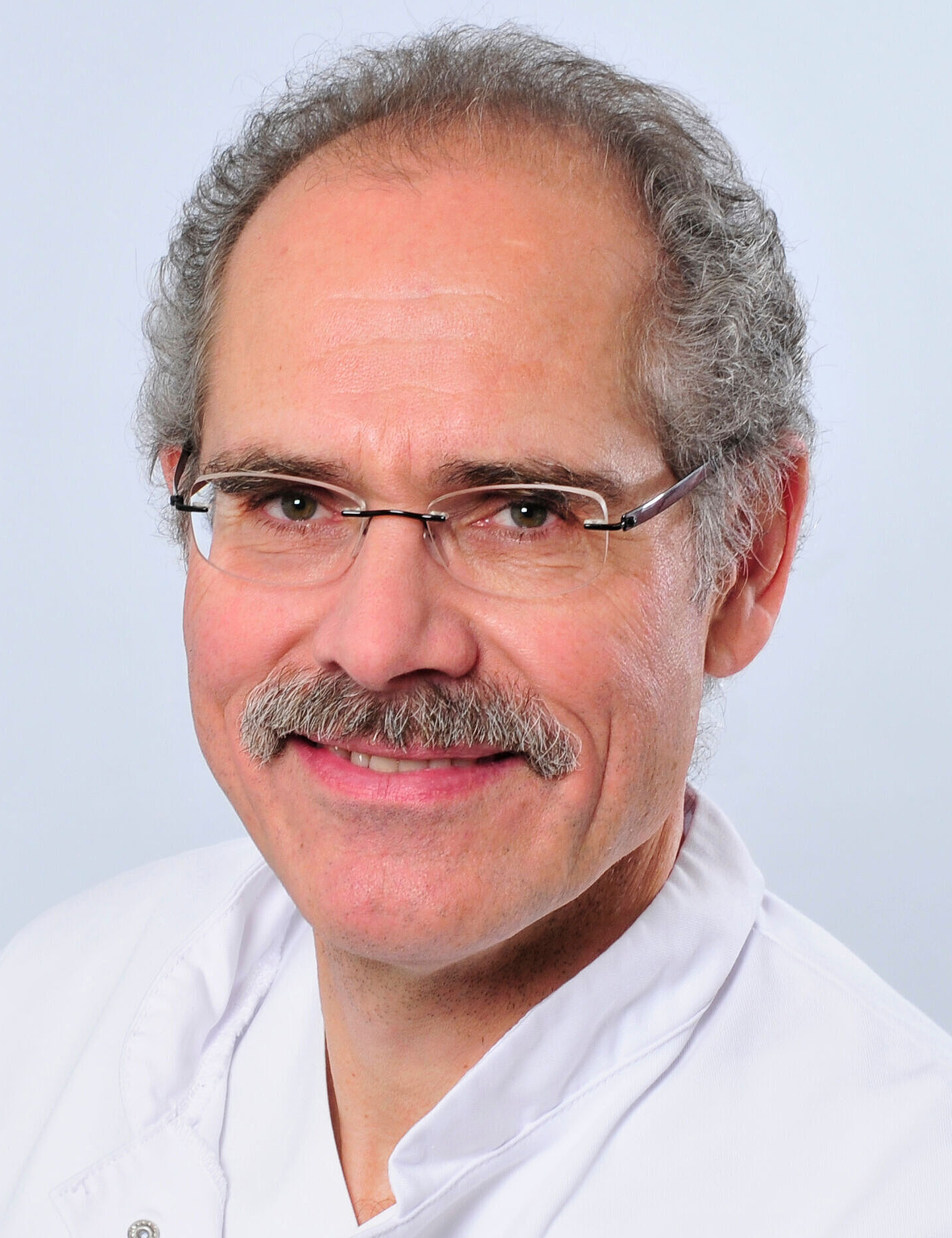 By decision of the Academic Council of the Institute of Neurosurgery dated June 26, 2026 (Minutes No. 9), the academic title of Honorary Professor was conferred upon Professor Henry W. S. Schroeder.